


Hi, I’m Taja and I may be addicted to stress. I’m a single mother of two teenagers, work two fulltime jobs, & run two businesses. Some of the signs that you may be addicted to stress too:
- Overcommitting or finding it hard to say no
- Feeling anxious or restless during downtime
- Creating drama or conflict, even subconsciously
- Finding calm situations boring or unnerving
- Always needing a “problem” to solve
- Feeling guilty when you’re not being “productive”
These all describe me perfectly, so now how do I fix it?
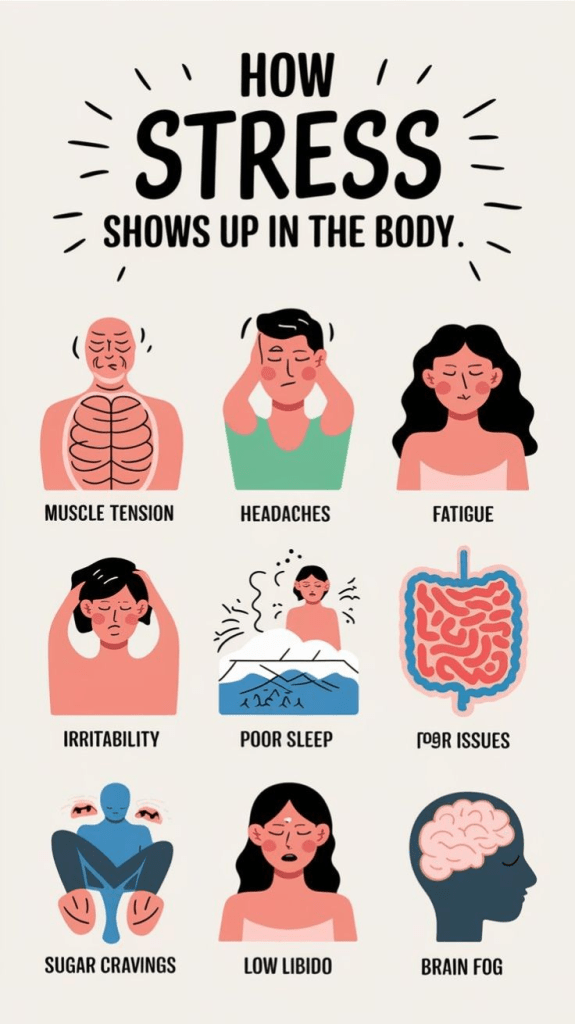
How to Destress
To enhance your overall health and well-being, it is essential to get more physical activity into your daily routine. Engaging in regular exercise not only helps maintain a healthy weight but also boosts your energy levels, reduces the risk of chronic diseases, and improves mental health. You can start by incorporating small changes, such as taking the stairs instead of the elevator, going for short walks during your breaks, or participating in activities that you enjoy, like dancing or cycling. These simple additions can significantly increase your physical activity levels and contribute to a more active lifestyle. Remember, the key is to find activities that you love so you can consistently stay active and reap the benefits associated with a more dynamic and energetic life.
A balanced diet is essential for maintaining good health and well-being. It includes a variety of foods from all the food groups, ensuring that your body receives the necessary nutrients it needs to function properly. By incorporating fruits, vegetables, whole grains, lean proteins, and healthy fats into your daily meals, you can support your immune system, enhance your energy levels, and improve your overall mood. Moreover, a balanced diet can help prevent chronic diseases, aid in weight management, and promote a healthy lifestyle. Therefore, it is crucial to plan and prepare meals that are not only nutritious but also enjoyable, making healthy eating a sustainable choice in the long run.
Minimize screen time to improve your overall well-being and mental health. By reducing the hours spent in front of screens, whether it be television, computers, or smartphones, you can create more opportunities for physical activity, social interactions, and other fulfilling pursuits. Striking a balance between digital interaction and real-life experiences encourages a healthier lifestyle. Furthermore, this reduction can lead to better sleep quality, as excessive screen time, especially before bed, can interfere with your body’s natural sleep cycle. Ultimately, adopting a mindful approach to screen usage can significantly enhance your daily life and personal relationships.
Reducing caffeine intake can be beneficial for your overall health and well-being. By decreasing the amount of caffeine you consume, you may find improvements in your sleep quality and a reduction in anxiety levels, as caffeine can often lead to restlessness and irritability. Additionally, lowering caffeine consumption allows your body to maintain a more balanced energy level throughout the day, reducing the likelihood of the infamous caffeine crash that leaves many feeling fatigued and unmotivated. It’s recommended to gradually decrease your intake rather than quitting abruptly, which can help minimize withdrawal symptoms such as headaches and mood swings. Consider replacing caffeinated beverages with herbal teas or infused water for a refreshing change that still keeps you hydrated.
Creating boundaries is essential for maintaining personal well-being and fostering healthy relationships. It involves learning to say no when necessary, which can be challenging but ultimately empowering. By understanding your limits and communicating them clearly, you protect your time and energy from being drained by obligations that do not serve your best interest. Embracing this practice not only reinforces your self-respect but also teaches others how to treat you. This newfound confidence allows for better prioritization of commitments, leads to greater fulfillment, and ensures that your needs are met while still being considerate of others. Developing this skill can significantly enhance the quality of your interactions and promote a more balanced life.
Procrastination can cause significant stress, which negatively affects your overall health and sleep quality. This behavior often leads to a cycle where the stress from unfinished tasks creates an overwhelming feeling, making it even harder to begin those tasks. You may also be more likely to procrastinate in times of stress as a coping mechanism, seeking temporary relief from the pressure rather than addressing the source of the anxiety. As this pattern continues, it can contribute to a decline in self-esteem and feelings of guilt, further perpetuating a sense of helplessness that can be challenging to escape.
Spend time in nature; spending as little as 10 minutes in a natural setting may help improve psychological and physiological markers of mental well-being, including perceived stress. Engaging with nature can enhance mood, increase feelings of relaxation, and foster a deeper connection to the environment. Research indicates that immersing oneself in green spaces not only reduces anxiety and rumination but also promotes a sense of peace and tranquility, creating a much-needed respite from the hustle and bustle of daily life. Whether it’s through a leisurely walk in a park, sitting by a tranquil pond, or simply breathing in the fresh air while surrounded by trees, these brief yet impactful moments can contribute significantly to our overall mental health and resilience.
Smoke Weed.
I hope this helps.




 Taja Henson
Leave a comment